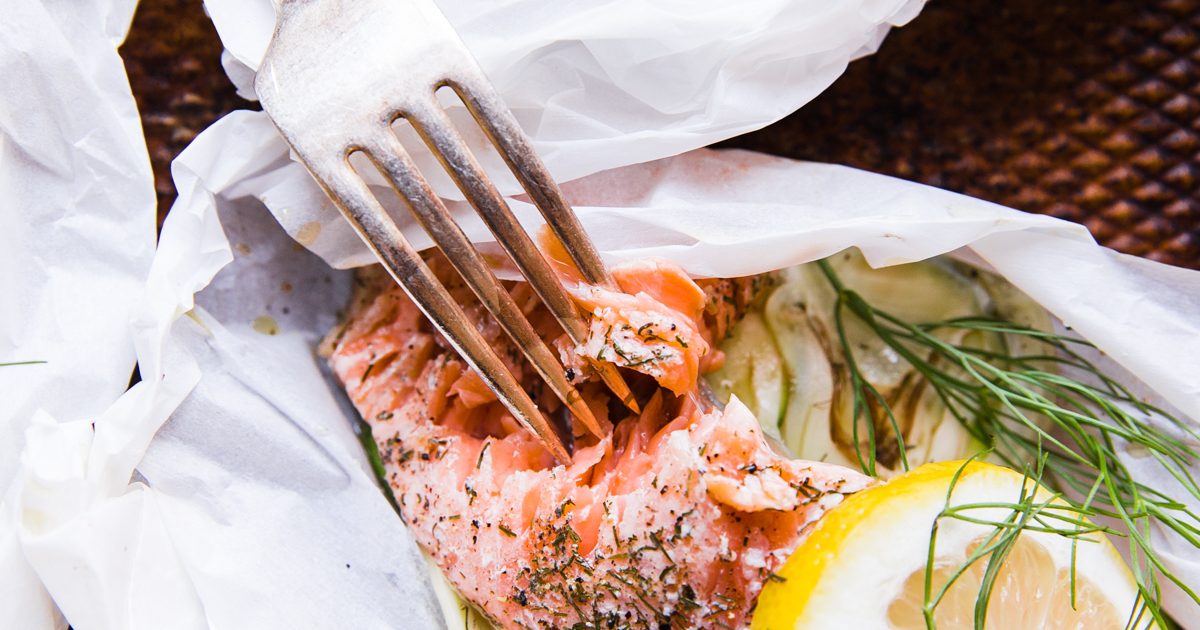
Unlocking the Magic of Salmon en Papillote: Your Beginner's Blueprint
Imagine a dinner that looks incredibly gourmet, tastes sensationally fresh, and yet requires minimal effort and leaves you with almost no cleanup. Sounds like a culinary dream, right? Welcome to the wonderful world of
salmon en papillote. This elegant French cooking technique, which simply means "in parchment," transforms a simple salmon fillet into a perfectly moist, flavorful, and incredibly impressive meal every single time. It's a method beloved by chefs for its precision and by home cooks for its simplicity, making it the ultimate beginner-friendly recipe to master for perfectly moist fish.
At its core, salmon en papillote is a steaming technique. By encasing your salmon and accompanying ingredients in a tightly sealed parchment paper (or foil) packet, you create a miniature, self-contained oven. As the packet bakes, the ingredients release their natural moisture and juices, which then circulate as steam within the confined space. This gentle steaming process not only cooks the fish evenly but also infuses it with all the delicious aromas and flavors of your chosen herbs, vegetables, and seasonings. The result? Flaky, tender salmon that’s never dry, always delicious, and a true delight to unveil at the table.
This method isn't just about deliciousness; it's also incredibly healthy. With minimal added fats and a focus on fresh ingredients, it’s a wholesome meal that can be customized endlessly to suit your taste, dietary needs, or whatever you have on hand. Whether you're aiming for a quick weeknight dinner or an impressive dish for guests, this guide will walk you through everything you need to know to create a culinary masterpiece with ease.
Your Essential Ingredient Checklist for Flawless Salmon
The beauty of
salmon en papillote lies in its simplicity and the ability to customize. While the core components remain the same – salmon and parchment – the supporting cast can be as varied as your imagination allows. Here's a breakdown of the essentials to get you started:
The Star: Fresh Salmon Fillets
Naturally, the quality of your salmon is paramount. Look for fresh, vibrant pink fillets, ideally wild-caught or sustainably farmed. A good thickness (about 1-inch thick) is ideal for even cooking. You can opt for skin-on or skin-off; skin-on offers a little extra protection and flavor, though it won't crisp up inside the packet. Patting the salmon dry with paper towels before seasoning is a crucial step that helps seasonings adhere better and prevents excess moisture in the packet.
Flavor Boosters: Herbs, Aromatics & Liquids
These elements are what elevate your salmon from good to truly exceptional.
*
Fresh Herbs: The cornerstone of flavor. Classic choices include fragrant dill, bright parsley, earthy thyme, or aromatic rosemary. Don't be shy with them – they release their oils and scents beautifully inside the packet. If fresh isn't available, dried herbs can be used, but use about a third of the amount as their flavor is more concentrated.
*
Aromatics: Thinly sliced lemon is a non-negotiable for many, adding a tangy brightness that complements salmon perfectly. Minced garlic, finely chopped shallots, or even a hint of ginger can add wonderful depth.
*
A Splash of Liquid: A tablespoon or two of liquid at the bottom of the packet significantly aids in the steaming process. Dry white wine, vegetable broth, or even just a squeeze of lemon juice will do the trick.
*
Essential Seasonings: Don't forget your basics – a generous pinch of sea salt and freshly ground black pepper are vital to bring out the salmon's natural taste. A drizzle of good quality olive oil over the fish before sealing adds richness and helps distribute flavors.
Veggie Companions for a Complete Meal
Adding vegetables to your salmon packet transforms it into a full, balanced meal. The key is to slice them thinly so they cook through at the same rate as the salmon.
*
Hearty Options: Thinly sliced potatoes (like Yukon Golds or red potatoes) add a satisfying heartiness. Ensure they are sliced almost paper-thin to guarantee tenderness. You could also use sweet potato slices for a touch of sweetness.
*
Green Goodness: A handful of fresh spinach leaves wilts beautifully, adding a healthy, vibrant element. Asparagus spears (snap off the tough ends) or thinly sliced green beans are also excellent choices.
*
Colorful Additions: Cherry tomatoes burst with flavor and add a lovely acidity. Thinly sliced bell peppers (any color) or zucchini offer sweetness and texture.
*
Tangy Kicks: A few capers can provide a salty, briny burst that pairs wonderfully with salmon and lemon.
Remember, the goal is not to overfill the packet. A balance of salmon, herbs, and a few choice vegetables will ensure everything cooks evenly and beautifully. For even more creative combinations and ideas, explore the endless possibilities for customization in our guide to
Customizable Salmon in Parchment: Healthy Meals, Endless Variations.
Step-by-Step Perfection: Crafting Your Salmon Packets
Creating perfectly cooked
salmon en papillote is a process that's both simple and deeply satisfying. Follow these steps for consistently stellar results.
Prepping Your Workspace & Ingredients
Before you begin assembling, a little mise en place goes a long way.
- Preheat Your Oven: Start by preheating your oven to 400°F (200°C). This ensures a hot, even cooking environment from the moment your packets go in.
- Prepare Your Parchment: Cut four large pieces of parchment paper. While a classic heart shape adds a touch of elegance, a simple rectangular or square shape (about 12x16 inches) works just as effectively and is often easier for beginners. Ensure the pieces are large enough to comfortably hold your ingredients and allow for a tight seal.
- Ready Your Salmon: Pat each salmon fillet thoroughly dry with paper towels. This helps the seasonings adhere and prevents the fish from steaming in its own excess surface moisture before the packet is sealed.
- Slice Your Veggies: Thinly slice any vegetables you're using. Remember, uniform, thin slices are crucial for even cooking within the short timeframe.
Layering for Maximum Flavor
This is where the magic begins. For each packet:
- Lay the Foundation: Place a piece of parchment paper flat on your counter or baking sheet. On one half of the parchment (if using a heart shape, one side of the crease; if rectangular, one side of the center), arrange your thinly sliced vegetables (like potatoes or asparagus) as a bed. This protects the fish from direct heat and infuses flavor from below.
- Position the Salmon: Place one seasoned salmon fillet on top of the vegetables.
- Season Generously: Drizzle the salmon with a little olive oil. Season generously with salt and freshly ground black pepper.
- Add Aromatics & Herbs: Arrange your fresh herbs (dill, parsley, etc.) on and around the salmon. Place a few thin lemon slices on top of the fillet. Add any minced garlic, shallots, or capers now.
- Splash of Liquid: Pour a tablespoon or two of your chosen liquid (white wine, broth, or lemon juice) around the base of the salmon. This will create the essential steam.
- Finishing Touch: If using spinach or cherry tomatoes, tuck them around the salmon at this stage.
The Crucial Seal: Creating Your Steam Oven
This step is arguably the most important for ensuring perfectly moist fish.
- Fold & Align: Fold the empty half of the parchment paper over the ingredients, aligning the edges precisely.
- Crimp with Care: Starting from one end, begin to crimp and fold the edges together tightly. Create small, tight folds, overlapping them as you move along the curved or straight edge of the packet. The goal is to form a completely airtight seal. This tight seal is what traps the steam inside, allowing the ingredients to cook gently and infuse each other with flavor.
Baking to Bliss: The Final Cook
- On the Sheet: Carefully transfer your sealed parchment packets to a baking sheet. This provides a stable surface for them in the oven and makes them easy to remove.
- Into the Oven: Bake in your preheated oven for 12 to 15 minutes. The exact timing will depend on the thickness of your salmon fillets and the density of your vegetables. A good rule of thumb for a 1-inch thick fillet is 12-14 minutes. The packets will puff up beautifully as they cook, indicating the steam is doing its work.
- Check for Doneness: The salmon is cooked when it flakes easily with a fork. If you're unsure, you can carefully open one packet (away from your face, as hot steam will escape!) to check.
- Serve with Caution: Once baked, remove the packets from the oven. Carefully transfer each packet to an individual plate. Advise diners to open them gently at the table using a fork or knife, allowing the aromatic steam to escape and fill the room – this is part of the dramatic appeal of salmon en papillote!
For an even deeper dive into the nuances of this technique and to ensure you master every detail for tender, flaky results, be sure to check out our detailed guide on
Easy Salmon en Papillote: Moist & Flavorful Dinner.
Pro Tips for Flawless Salmon en Papillote
While the process for
salmon en papillote is straightforward, a few expert tips can elevate your results from good to absolutely phenomenal.
*
Don't Overfill: Resist the temptation to cram too many ingredients into one packet. Overfilling can prevent even cooking and make it difficult to achieve a tight seal. Stick to a single salmon fillet and a modest amount of thinly sliced vegetables.
*
Quality Parchment Makes a Difference: Invest in good quality parchment paper. Cheap, thin parchment can tear easily, compromising the seal and letting steam escape. Look for oven-safe, non-stick varieties. Foil is an acceptable alternative, though parchment is preferred for its non-reactive nature and aesthetic appeal.
*
Seasoning Throughout: Don't just season the salmon. Lightly season your vegetables as you layer them. This builds flavor from the ground up and ensures every bite is delicious.
*
Prep Ahead for Weeknights: One of the greatest advantages of this dish is its prep-ahead potential. You can assemble your packets completely (without baking) several hours in advance. Store them flat in the refrigerator. When you're ready to cook, simply pop them into the preheated oven. This makes it a fantastic option for busy weeknights or entertaining.
*
Storage and Reheating: Cooked salmon en papillote is best enjoyed immediately. If you have leftovers, place the cooked contents in an airtight container and store them in the fridge for up to 2 days. When reheating, do so gently to maintain moisture. A microwave on low power for short bursts, or reheating in the oven at 325°F (160°C) until just warm, will help prevent the fish from drying out. Freezing cooked salmon in parchment is generally not recommended, as the texture can suffer significantly upon thawing and reheating.
Serving Your Culinary Creation
The presentation of
salmon en papillote is half the fun! Serving the individual packets directly to each diner, allowing them to open their steaming bundle of deliciousness, adds an element of surprise and engagement to the meal. The aromas that waft from the freshly opened packet are truly intoxicating.
When it comes to side dishes, simplicity often reigns supreme to let the star of the show shine.
- Grains: A bed of fluffy steamed rice, light and healthy quinoa, or even a pearl couscous salad provides an excellent base to soak up the flavorful juices.
- Potatoes: Creamy mashed potatoes offer a comforting, hearty side that contrasts beautifully with the delicate salmon.
- Salad: For a lighter meal, a crisp, fresh garden salad with a simple vinaigrette is a perfect complement. The cool crunch of greens provides a refreshing counterpoint to the warm, flaky fish.
- Crusty Bread: Don't forget some crusty bread to sop up any delicious liquid left on the plate!
Pair your salmon en papillote with a glass of crisp white wine, such as a Sauvignon Blanc or Pinot Grigio, to enhance the flavors. For a non-alcoholic option, sparkling water with a slice of lemon or cucumber works wonderfully.
Master the Art of Moist Salmon
Salmon en papillote truly is a culinary game-changer for beginners and seasoned cooks alike. It demystifies the art of cooking fish, guaranteeing a perfectly moist, tender, and incredibly flavorful result every single time. From selecting your fresh salmon and vibrant herbs to mastering the crucial crimp of the parchment, you now have all the knowledge to create this impressive dish with confidence.
Embrace the versatility of this technique; experiment with different vegetable combinations, explore new herb profiles, and discover your own signature salmon packet. Not only is it a healthy and delicious meal, but the dramatic unveiling of each perfectly cooked packet at the table makes dinner an experience to remember. So, grab your parchment, gather your ingredients, and prepare to delight your senses with the magic of salmon en papillote. Your journey to perfectly moist fish begins now!