Unlocking Flavor and Health: The Magic of Customizable Salmon en Papillote
Imagine a meal that's effortlessly elegant, packed with vibrant flavors, incredibly healthy, and unbelievably easy to prepare. That's the promise of salmon en papillote – salmon cooked in parchment paper. This classic French technique, meaning "in parchment," transforms a simple salmon fillet into a culinary masterpiece, locking in moisture and infusing every bite with the aromatic essence of herbs, vegetables, and citrus. It's not just a recipe; it's a cooking philosophy that champions freshness, customization, and convenience, making it a perfect choice for busy weeknights, sophisticated dinner parties, or healthy meal prep. Whether you're a novice in the kitchen or a seasoned chef, mastering this method opens up a world of delicious possibilities. For a deeper dive into the simplicity, check out our guide on Easy Salmon en Papillote: Moist & Flavorful Dinner.
The Art of Customization: Endless Variations for Your Palate
What truly sets salmon en papillote apart is its incredible versatility. The parchment packet acts as a miniature steaming oven, allowing you to experiment with an endless array of ingredients to suit any taste or dietary preference. Think of it as a blank canvas for your culinary imagination.
Choosing Your Foundation: Salmon and Beyond
- Salmon Fillets: Opt for skin-on or skin-off, roughly 4-6 ounces per serving. The quality of your salmon will shine through, so choose fresh, vibrant fillets.
- Alternative Fish: While salmon is star, this method works beautifully with other firm white fish like cod, halibut, or even flaky options like tilapia. Adjust cooking times accordingly.
Crafting Your Flavor Profile: A Symphony of Ingredients
The beauty of salmon in parchment lies in layering complementary flavors. Here’s a breakdown of elements you can mix and match:
- Vegetables: These form the base and provide essential nutrients and textures.
- Hearty Bases: Thinly sliced potatoes (sweat potatoes also work beautifully), asparagus spears, bell peppers (thin strips), zucchini, or julienned carrots. These require slightly longer cooking, so slice them thinly.
- Quick-Cooking Additions: A handful of fresh spinach, cherry tomatoes (halved), snap peas, or mushrooms can be added closer to the top layer.
- Aromatics & Herbs: These are the soul of your dish, infusing the salmon with fragrance.
- Fresh Herbs: Dill, parsley, thyme, rosemary, cilantro, or a mix of Herbes de Provence. Fresh herbs offer a vibrant, intense flavor.
- Dried Herbs: If fresh isn't available, dried herbs like oregano or Italian seasoning are great substitutes, but use them sparingly as their flavor is more concentrated.
- Citrus: Thin slices of lemon, lime, or orange not only add a beautiful aesthetic but also a bright, tangy zest that complements the salmon perfectly.
- Garlic & Shallots: Minced garlic, thinly sliced shallots, or even a hint of fresh ginger can add depth and warmth.
- Flavor Boosters: A little something extra to elevate your meal.
- Capers: For a salty, tangy kick that pairs wonderfully with salmon.
- Olives: Sliced Kalamata or green olives for a Mediterranean touch.
- A Splash of Liquid: A teaspoon of white wine, chicken broth, or even just a drizzle of olive oil can help create more steam and distribute flavors.
- Spices: Smoked paprika, a pinch of red pepper flakes for heat, or a dash of your favorite seafood seasoning blend.
Experimenting with these variations can make each salmon en papillote meal feel unique and special. Consider themes: a Mediterranean packet with cherry tomatoes, olives, feta, and oregano; an Asian-inspired one with ginger, soy sauce, bok choy, and sesame oil; or a simple herb garden classic with dill, lemon, and asparagus.
Your Guide to Perfectly Moist Salmon en Papillote Every Time
While the concept is simple, a few key steps ensure your salmon in parchment turns out perfectly moist, tender, and bursting with flavor. For a more detailed walkthrough, consider our Beginner's Guide to Salmon en Papillote: Perfectly Moist Fish Every Time.
Preparation and Assembly
- Preheat Your Oven: Begin by preheating your oven to 400°F (200°C). This high heat is crucial for creating ample steam within the packet and ensuring even cooking.
- Parchment Prep: Cut four large pieces of parchment paper. A heart shape is traditional and charming, but a large square or rectangle works just as well. Ensure each piece is big enough to comfortably wrap a salmon fillet and its accompaniments, with plenty of room to seal.
- Pat Your Salmon Dry: Using paper towels, gently pat each salmon fillet dry. This step is important for achieving a better sear (if you plan to lightly sear first, though not necessary for papillote) and for seasonings to adhere properly.
- Layering Your Ingredients: Place your chosen vegetables (like thin potato slices or asparagus) on one half of the parchment paper, forming a bed for the salmon. Season them lightly.
- Position the Salmon: Place a salmon fillet on top of the vegetables. Season the salmon generously with salt, pepper, and your chosen spices.
- Add Your Flavorings: Layer lemon slices, fresh herbs, capers, or any other flavor enhancers directly on and around the salmon. A drizzle of olive oil or a small pat of butter can enhance richness.
- Seal the Packet: Fold the empty half of the parchment paper over the ingredients. Starting from one end, crimp the edges tightly together, creating a series of small, overlapping folds to form a secure seal. The goal is to trap all the steam inside.
Cooking and Serving
- Bake to Perfection: Carefully transfer the sealed parchment packets onto a baking sheet. Place them in the preheated oven and bake for 12-18 minutes, depending on the thickness of your salmon and your desired doneness. The packets will puff up as steam builds inside.
- A Dramatic Unveiling: Once cooked, remove the packets from the oven. Let them rest for a minute or two before serving. Transfer each packet to an individual plate.
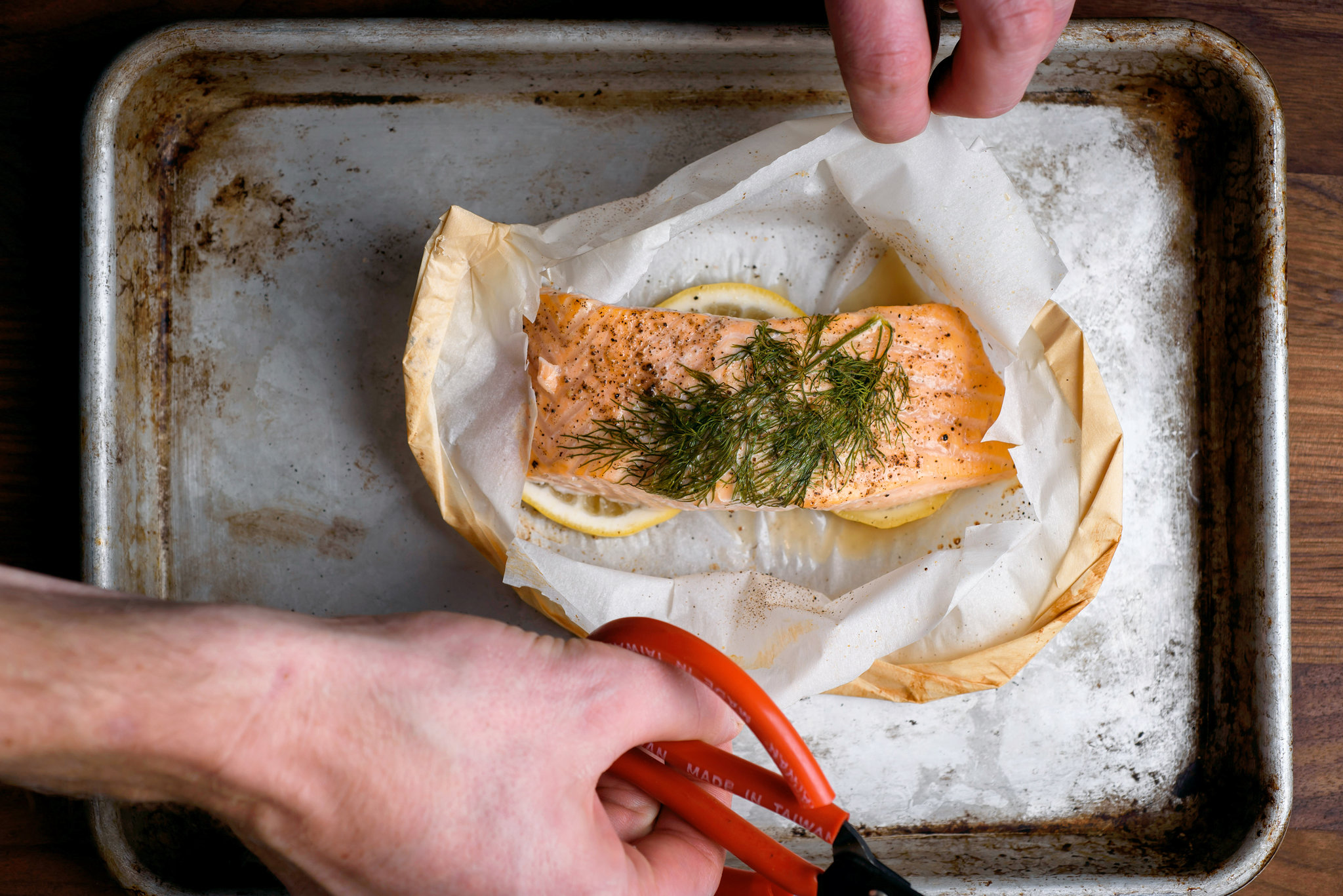
- Careful Opening: Instruct diners to carefully open their packets with scissors or a knife, as a burst of aromatic steam will escape. The visual and olfactory experience of opening a perfectly cooked packet of fish, surrounded by fresh herbs and vibrant vegetables, is truly part of the enjoyment.
- Transfer and Enjoy: Gently slide the salmon and vegetables from the parchment onto the plate, or simply enjoy them directly from the parchment, which can reduce cleanup.
Beyond the Plate: Tips for Success & Meal Prep with Salmon en Papillote
Essential Tips for Flawless Results
- Prep Ahead: Most of the work for salmon en papillote can be done in advance. Chop all your veggies, portion your salmon, and even assemble the packets without sealing them fully. Store components separately or loosely covered in the fridge until ready to bake.
- Seal Tightly: This cannot be stressed enough. A tight seal is the secret to successful steaming. If the edges aren't crimped securely, steam will escape, and your salmon won't be as moist.
- Don't Overcrowd: Give each parchment packet enough space on the baking sheet to ensure even heat circulation.
- Avoid Overcooking: Salmon cooks quickly. Overcooked salmon becomes dry and less palatable. A good indicator of doneness is when the salmon flakes easily with a fork.
- Foil as an Alternative: While parchment is preferred for its non-stick properties and clean-up, aluminum foil can be used if parchment isn't available. Ensure it's crimped very tightly to trap steam. Some prefer parchment for health considerations as well.
Serving Suggestions and Leftovers
Your beautiful salmon in parchment is a complete meal in itself, but it also pairs wonderfully with various sides:
- Grains: Serve over a bed of fluffy steamed rice, high-protein quinoa, or pearl couscous.
- Potatoes: Creamy mashed potatoes or crispy roasted potato wedges add a comforting touch.
- Salads: A light, crisp garden salad with a simple vinaigrette offers a refreshing contrast.
- Crusty Bread: Perfect for soaking up the delicious juices at the bottom of the packet.
Making the Most of Leftovers
One of the perks of cooking salmon en papillote is its suitability for meal prep. Once cooked, place leftovers in an airtight container and store them in the fridge for up to 2 days. When reheating, use a microwave on low power or reheat gently in the oven at 325°F (160°C) until warm. This prevents the salmon from drying out. For longer-term planning, it's generally best to freeze the uncooked packets. Assemble them, freeze them flat, and then transfer to freezer bags. When ready to cook, bake from frozen, adding an extra 10-15 minutes to the cooking time.
Conclusion: Your Healthy, Customizable Culinary Companion
Customizable salmon in parchment is more than just a recipe; it's a testament to how simple techniques can yield extraordinary results. It delivers healthy, flavorful meals with minimal fuss and maximum impact. The unique steaming environment of the parchment packet ensures that your salmon is perfectly cooked, wonderfully moist, and infused with every flavor you choose to include. Rich in Omega-3 fatty acids from the salmon and packed with nutrients from your chosen vegetables, this method offers a wholesome, delicious option for any day of the week. So, embrace the art of salmon en papillote – experiment with new combinations, savor the vibrant flavors, and enjoy the effortless elegance it brings to your table.
